
Can Modern Equipment Transform Art Education in Australia?

Embracing Technology in Classrooms
As an experienced visual arts educator navigating the vibrant creative landscape of Melbourne, I’ve seen firsthand the transformative power of technology in the classroom. Moving beyond traditional tools, using a universal remote can streamline operations, making it easier for both students and teachers to transition between different digital platforms without missing a beat. This integration fosters a more dynamic and interactive learning environment.
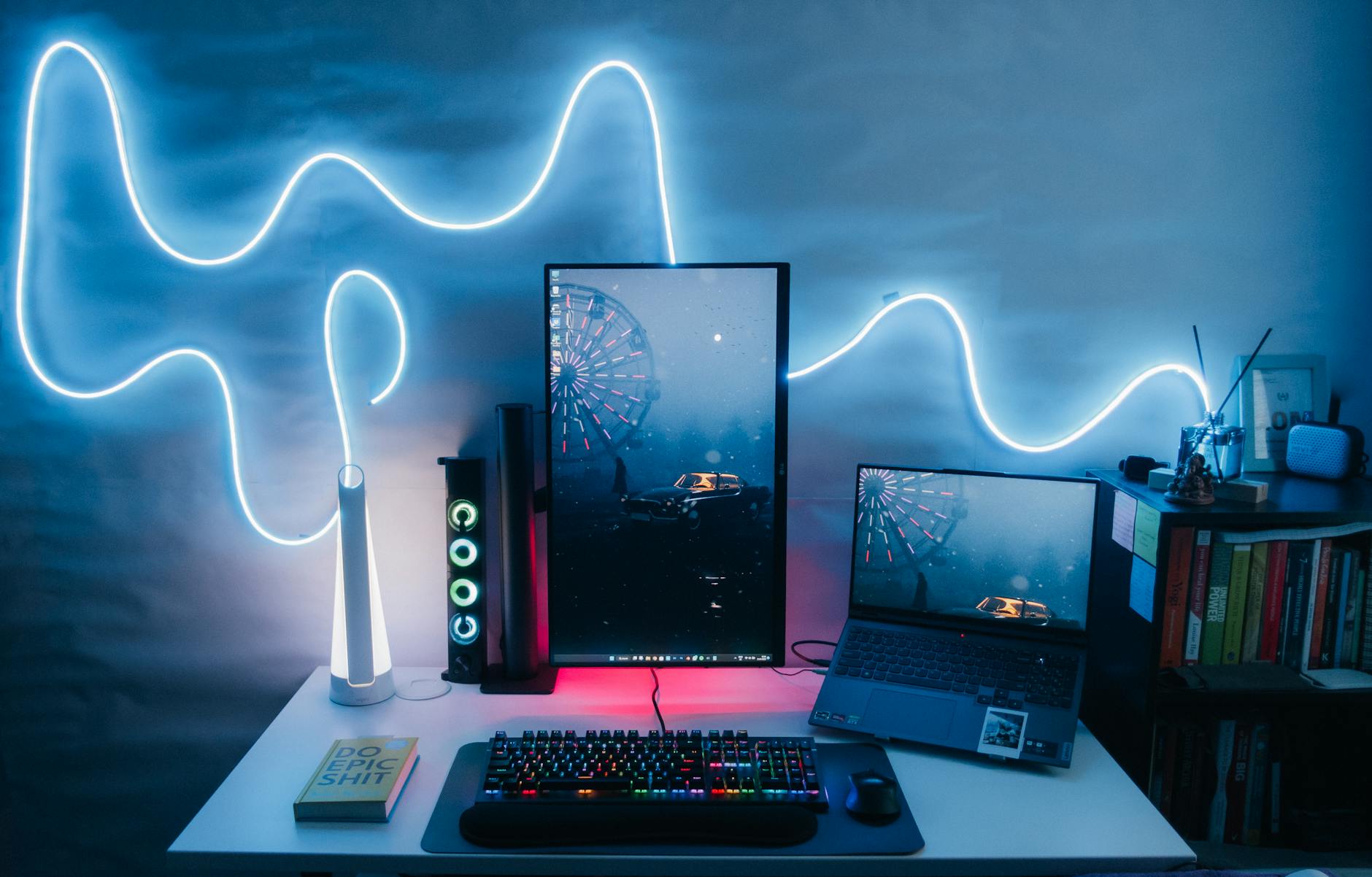
Incorporating technology like loudspeakers offers students opportunities to experience art in an immersive way. Imagine discussing masterpieces while high-quality audio surrounds the room, creating an ambience that invites engagement and deeper appreciation. These tools play a pivotal role in helping students understand the impact of sound on visual art, much like experiencing exhibits at Federation Square’s digital art displays.
Moreover, monitors for video conferencing allow classrooms to break physical boundaries, connecting students with art professionals globally and offering exposure to diverse perspectives. Through online workshops at the Australian Centre for the Moving Image, students can interact directly with leading innovators, enriching their learning experiences.
Implementing these creative teaching strategies can inspire students to explore new artistic horizons and motivate educators to continually innovate. While weaving technology into the art curriculum presents challenges, it also opens a world filled with possibilities, making our classrooms at institutions like those found along Flinders Lane true hubs of modern art education.
Benefits for Students
Enhanced Creativity
Transforming the artistic landscape in classrooms can ignite students’ creativity. By utilising modern musical equipment, students can explore various sounds and techniques, broadening their artistic expression. Instruments such as guitars and basses not only develop technical skill but also encourage students to experiment and innovate with their music. This hands-on experience fosters a deeper understanding of art and music, leading to intuitive and original creations.
Personalized Learning Paths
Technological advancements enable educators to tailor learning experiences to individual student needs. Personalisation extends beyond music into digital art and multimedia projects, providing students with opportunities to pursue their interests at their own pace. It fosters a supportive environment where creativity thrives, akin to the diverse exhibits displayed at Federation Square's digital art exhibits.
Collaborative Projects
Modern resources encourage collaboration among students, akin to workshops at the Australian Centre for the Moving Image. Through group projects, students share diverse perspectives and collaborate on artistic endeavours that reflect collective creativity. By engaging in projects that involve both traditional artwork and digital platforms, students learn the value of teamwork and the richness of shared experiences.
These educational approaches not only align with a creative teaching strategy but also ensure that students are equipped with skills that resonate in today's dynamic art landscapes. Their experience in adapting and experimenting with new tools and methods can be an enriching addition to their artistic journey.
Overcoming Challenges
Budget Constraints
Navigating budget constraints in art education can often feel like threading a needle. As an experienced visual arts educator, I've encountered this challenge time and again. However, creativity and ingenuity can bridge financial gaps to provide a rich learning environment. Using cost-effective materials and repurposing existing resources can make a significant difference. Engaging with the local community for support or exploring grant opportunities can also offer much-needed financial assistance.
Access to Equipment
For some, accessing modern equipment like acoustic panels and advanced broadcast solutions in art education might seem out of reach. Yet, collaborating with other institutions or local art centres could open the door to shared resources. In Melbourne, spaces like the Australian Centre for the Moving Image often have workshops or programs that schools can tap into, providing students access to technology they otherwise wouldn't have.
Training Teachers
Teacher training is essential to effectively utilising modern equipment in the classroom. Educators should be proactive in seeking professional development opportunities that enhance their skills and familiarity with new technologies. Attending workshops in art galleries along Flinders Lane can help teachers integrate these tools seamlessly into the curriculum. I often find that peer-to-peer learning sessions can be particularly effective, offering insights grounded in real-world classroom application.
Real-World Applications
Art education today can be enriched by integrating technology, offering students unique opportunities to prepare for future careers, understand diverse cultures, and develop cross-disciplinary skills. As an educator from Melbourne, my aim is to leverage creative teaching strategies to harness the potential of modern tools, much like Melbourne's art galleries along Flinders Lane showcase the fusion of traditional and contemporary art.
Career Preparation
Incorporating technology in art education equips students for future careers in evolving fields. With advanced tools such as an antenna tracking system, students can experiment with creating dynamic visual installations, a skill highly valued in industries like digital media and event production. These experiences not only teach technical skills but also inspire innovative thinking, crucial for navigating the modern job market.
Cultural Exposure
Tools like pro audio equipment and digital interfaces offer new avenues for students to explore global cultures through art. By engaging with international artworks and music, students gain a richer understanding of different traditions and perspectives. This exposure cultivates empathy and broadens learners' worldviews, essential traits for participating in a multicultural society.
Cross-disciplinary Skills
Art education intertwined with technology fosters cross-disciplinary skills. Encouraging students to work on projects combining visual arts, technology, and audio, helps enhance their problem-solving abilities and teamwork. These skills are transferable to various fields, preparing students for diverse career paths and personal growth.
Best Practices for Modern Art Education
Harmonising Traditional and Technological Approaches
Incorporating technology into art education doesn't mean we abandon traditional techniques. As educators, we can create a hybrid learning environment where charcoal sketches coalesce with digital canvases. Consider starting a unit with a plein air painting session at Federation Square, then transitioning to digital tools to transform those impressions into digital art world wonders. This approach allows students to appreciate the tactile nature of art while also embracing the possibilities of modern technology.
Implementing Continuous Feedback Mechanisms
Feedback is paramount in any educational setting, but it becomes even more dynamic with today's technology. Utilising platforms like interactive whiteboards and digital portfolios, students can receive real-time critiques. After visiting the workshops at the Australian Centre for the Moving Image, students might share their work online, gathering insights from peers and mentors alike. This ongoing conversation ensures that students continuously refine their skills and remain engaged in their creative process.
Encouraging Community Involvement
For art education to truly thrive, community engagement is essential. By connecting with local art galleries along Flinders Lane, we invite a broader dialogue between students and professional artists. Organizing exhibitions or collaborative projects can bridge the gap between the classroom and the art world, fostering a community-wide appreciation for creativity. This involvement not only enriches the students' learning experiences but also showcases their talents on a larger platform.
In crafting such multi-faceted learning environments, we inspire both students and fellow educators to push artistic boundaries and explore endless possibilities.